The Cursed Fig Tree: A Hard Saying for God’s People
Text: Mark 11:14
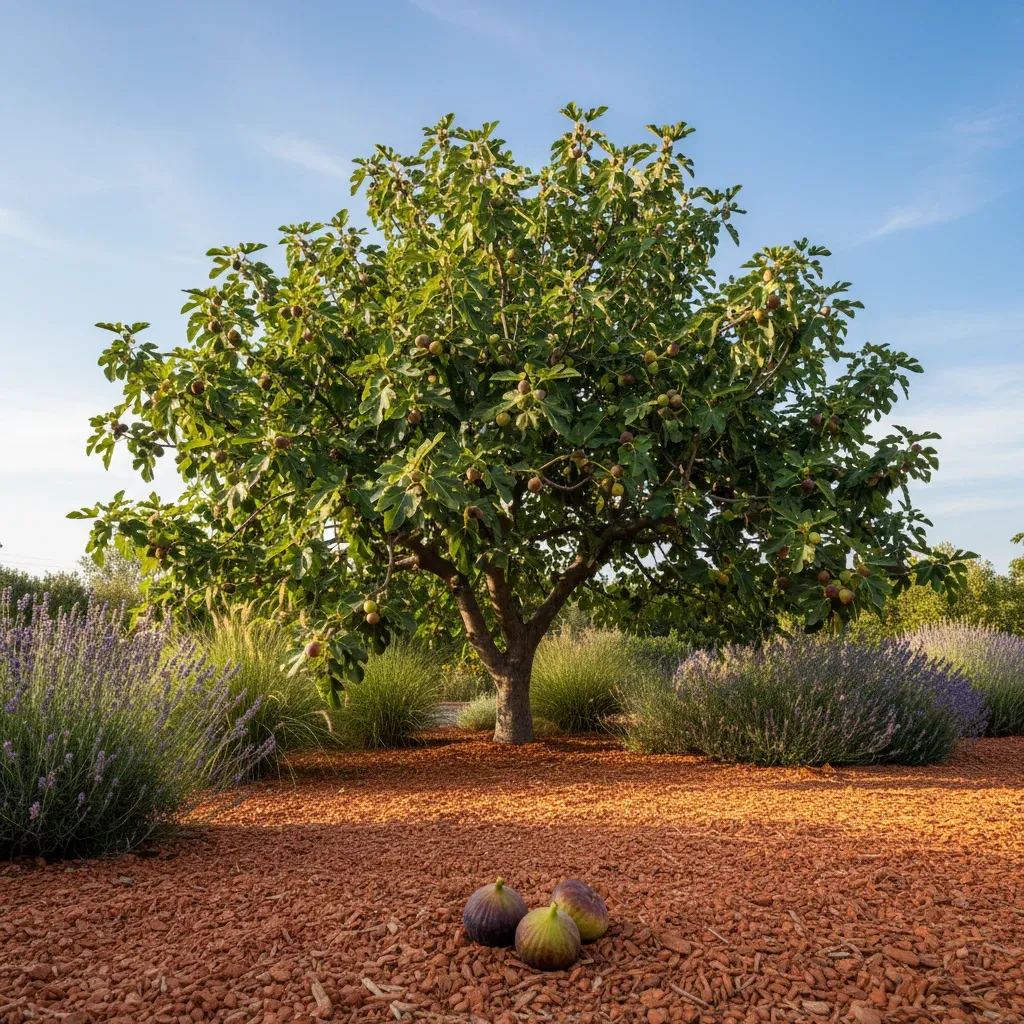
Leaves can impress a crowd, but only fruit satisfies the King.
There is a moment in Mark 11 that feels like a bump in the road from Bethany.
Jesus heals the blind, raises the dead, welcomes children, eats with sinners, and forgives the undeserving. Then, suddenly, He walks up to a fig tree, looks for fruit, finds none, and curses it. By the next morning, the tree has withered from the roots.
At first glance, it feels severe. Almost irrational. Mark even tells us it was not the season for figs. So why would Jesus curse a tree for not producing what the season did not naturally require?
A Tree, a Temple, and a Warning
Mark places the story in a deliberate “sandwich” structure:
- Jesus curses the fig tree.
- Jesus cleanses the temple.
- The disciples find the fig tree withered.
The fig tree explains the temple, and the temple explains the fig tree.
From a distance, the tree looked alive. It had leaves. It gave the appearance of promise. But when Jesus came near, there was no fruit. In the same way, the temple looked active, busy, and deeply religious. But beneath the leaves of religious activity, Jesus found corruption, exclusion, and worship emptied of obedience.
The fig tree was not punished for being a tree. It was exposed for advertising life it did not possess.
This story is a living parable. Jesus is confronting fruitless religion: worship that has motion but no surrender, language but no love, leaves but no life.
The Old Story of Fig Leaves
The fig tree carries a long biblical memory.
In Eden, Adam and Eve used fig leaves to cover themselves after sin (Genesis 3:7). In Solomon’s day, sitting under one’s vine and fig tree became a picture of peace and blessing (1 Kings 4:25). In the prophets, barren or ruined figs often became signs of judgment, disappointment, and covenant unfaithfulness (Hosea 9:10, Jeremiah 24, Micah 7:1, Joel 1:7).
And the message from this parable of the fig tree is hard: God’s people cannot live on appearances.
What About “Not the Season”?
There are two helpful ways to understand Mark’s note that it was not the season for figs.
One view says that although mature figs were not expected, a leafy fig tree should have shown early signs of fruit. If there were leaves but no early buds, the tree was essentially making a promise it could not keep. In plain terms, false advertising. God is not impressed by spiritual marketing.
Another view sees the whole episode as an acted prophecy. Jesus deliberately shocks the disciples so they will ask the right question: What kind of people bear the name of God but produce no fruit for God?
Both views land in the same place. Jesus is not looking for decorative religion. He is looking for fruit.
The King Still Hungers
The people had just shouted, “Hosanna!” They welcomed Jesus with public praise. But praise on the road did not cancel corruption in the temple.
We can shout “Hosanna” on Sunday morning. We can sing with passion during Passion Week. We can raise our hands. But Jesus comes to us, still hungry—for fruit. He is not satisfied with our leaves.
But the fruit of the Spirit is love, joy, peace, patience, kindness, goodness, faithfulness, gentleness, self-control; against such things there is no law.
Ask ourselves:
- Do we have leaves without fruit?
- Do we assume privilege without responsibility?
- Do we think “it’s not the season” excuses us?
- Do we mistake religious activity for worship?
- What does it mean for us to be “withered from the roots”?
Grace, Pruning, and the True Vine
In Luke 13, Jesus tells of a barren fig tree given more time, more digging, more care. Judgment is not God’s first word to the unfruitful; mercy comes patiently before the axe falls.
At the cross, Christ became the curse for us. In John 15, Jesus calls Himself the true vine, and the Father the gardener. And in John 20, at Jesus's tomb, Mary mistook Jesus for the gardener. In a deeper sense, she was not entirely wrong.
Do not despair. Repent. The Gardener prunes what He means to make fruitful.
The same Jesus who cursed the fig tree is the same Jesus who said, “I came that you might have life, and have it abundantly.” He is hungry for the fruit of His own Spirit in His own people. Go now, and bear fruit—fruit that will last.
Speaker: Bro. Philip