Does God Know Me? You Will Know that I am God
Does God Know Me?
Christmas is just around the corner, and it's a fitting time to reflect on a simple but profound question: Does God actually know me?
It's a question that surfaces in different seasons of life—when things feel ordinary, when life becomes overwhelming, or when we simply wonder if the God who holds the universe together notices what's happening in our individual lives.
"O Lord, you have searched me and known me!
You know when I sit down and when I rise up;
you discern my thoughts from afar.
You search out my path and my lying down
and are acquainted with all my ways.
Even before a word is on my tongue,
behold, O Lord, you know it altogether."
Psalm 139:1-4
Psalm 139 offers a reassuring answer. David writes that God knows when we sit down and when we rise up, that He discerns our thoughts from afar, and that even before a word is on our tongue, He knows it completely.
This is deeply comforting. It means we don't need to find the perfect words when we pray. We don't need to explain ourselves or present our requests in just the right way. God already knows what we're trying to say.
But It Goes Both Ways
What's perhaps even more striking is that God doesn't just want to know us—He wants to be known by us.
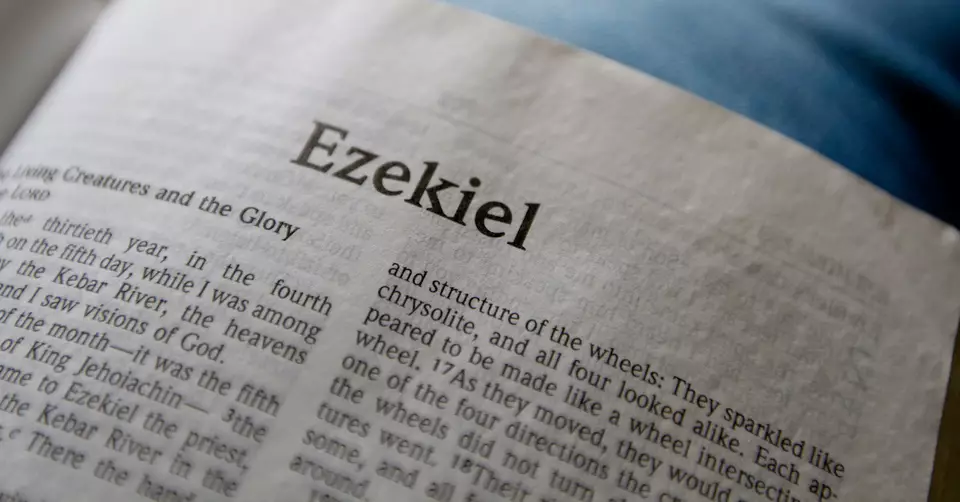
In the book of Ezekiel, one phrase appears repeatedly:
"Then you will know that I am the LORD."
Whether God is bringing discipline or restoration, the purpose remains the same: He is revealing Himself. He wants people to know who He is.
God has done this throughout history—through visions, dreams, and prophets. But the clearest revelation came through Jesus.
Jesus Makes God Accessible
Jesus came to show us who God is in a way we could truly understand. He was born as a baby, grew up, and experienced life as we do—hunger, tiredness, sorrow, joy.
When He taught, He met people where they were. With Nicodemus, a religious scholar, He engaged with theological concepts. With the woman at the well, He spoke of water—something from her everyday life. Jesus communicated in ways that made sense to His listeners.
The disciples didn't fully grasp it at first. But now we have the complete picture.
Paul, even after years of following Christ, wrote that his deepest desire was still "to know Him" (Philippians 3:10). Knowing God isn't something we complete—it's an ongoing relationship.
What This Means for Us
Ezekiel ends with a name for the city of God: Jehovah Shammah, meaning "The LORD is there." After everything else in the book, the final word is simply about God's presence.
That's what Christmas points to. God is here. He was present in Bethlehem, and He remains present with us now.
The greatest thing about the future is that God will be there. The greatest thing about the present is that God is here.
As Christmas approaches, this is worth holding onto: We are known by God, and He has made Himself knowable to us. That's good news worth celebrating.
Speaker: Dr. Mark Lehman